
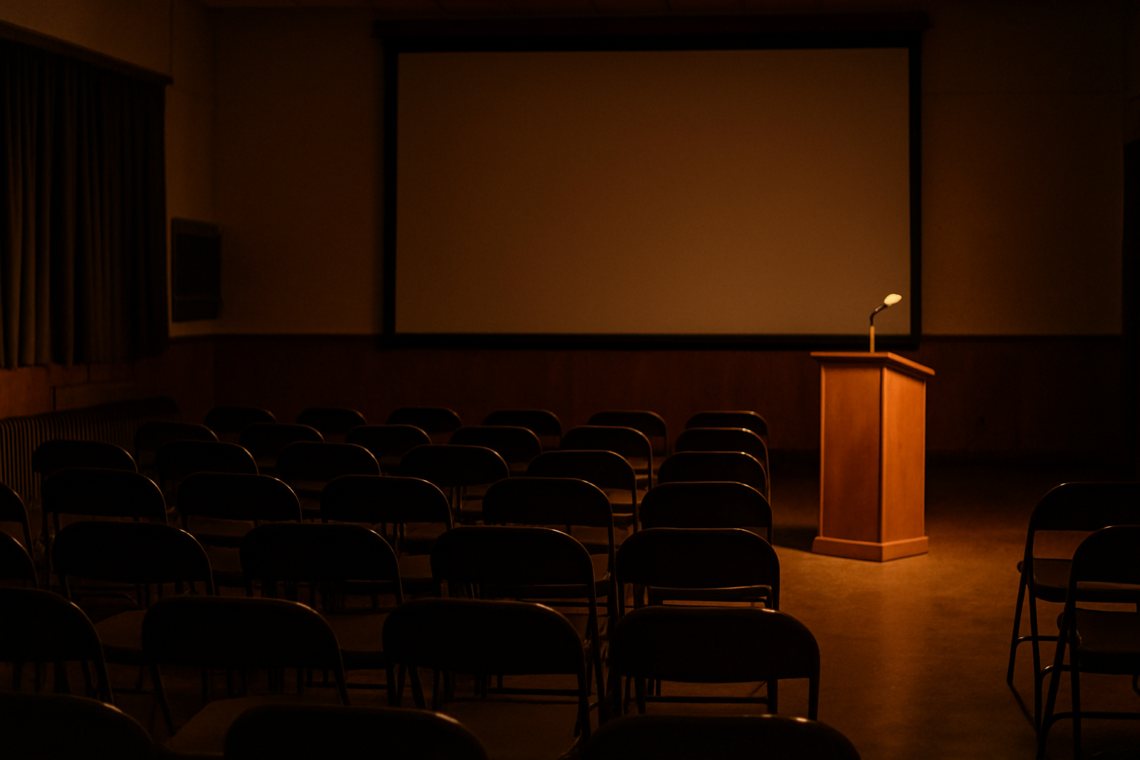
The Lights Come Up, and Then What?
I’ve sat in the back of enough community halls, church basements, and college auditoriums to know the exact moment a screening either becomes something more than entertainment, or quietly ends the second the credits roll. It’s not about the film at that point. It’s about what happens in the thirty minutes after, when the lights come up and a room full of strangers either leans forward or reaches for their coats.
We make films because we believe they can move people. But a film alone, no matter how honest or well-crafted, rarely moves anyone past the parking lot. It’s the conversation that follows, the awkward first question, the person in the third row who finally says what everyone else was thinking, that turns a passive audience into something closer to a community. If you’re hosting a screening, that conversation deserves as much planning as the popcorn.
Why We Underestimate the Discussion
There’s a tendency, especially with first-time hosts, to treat the post-screening talk as an afterthought. Someone grabs a microphone, asks “so, what did everyone think?” and then watches thirty seconds of silence stretch into a minute. It’s not that audiences don’t have reactions. It’s that most people need permission and a little structure before they’ll speak up in a room full of people they’ve never met.
A documentary asks something of its audience emotionally. The discussion is where that emotional investment gets translated into something useful, whether that’s a donation, a letter, a changed mind, or simply a shared understanding that didn’t exist an hour earlier. Skip the discussion, or handle it poorly, and you’ve left most of the film’s potential sitting unused in the room.
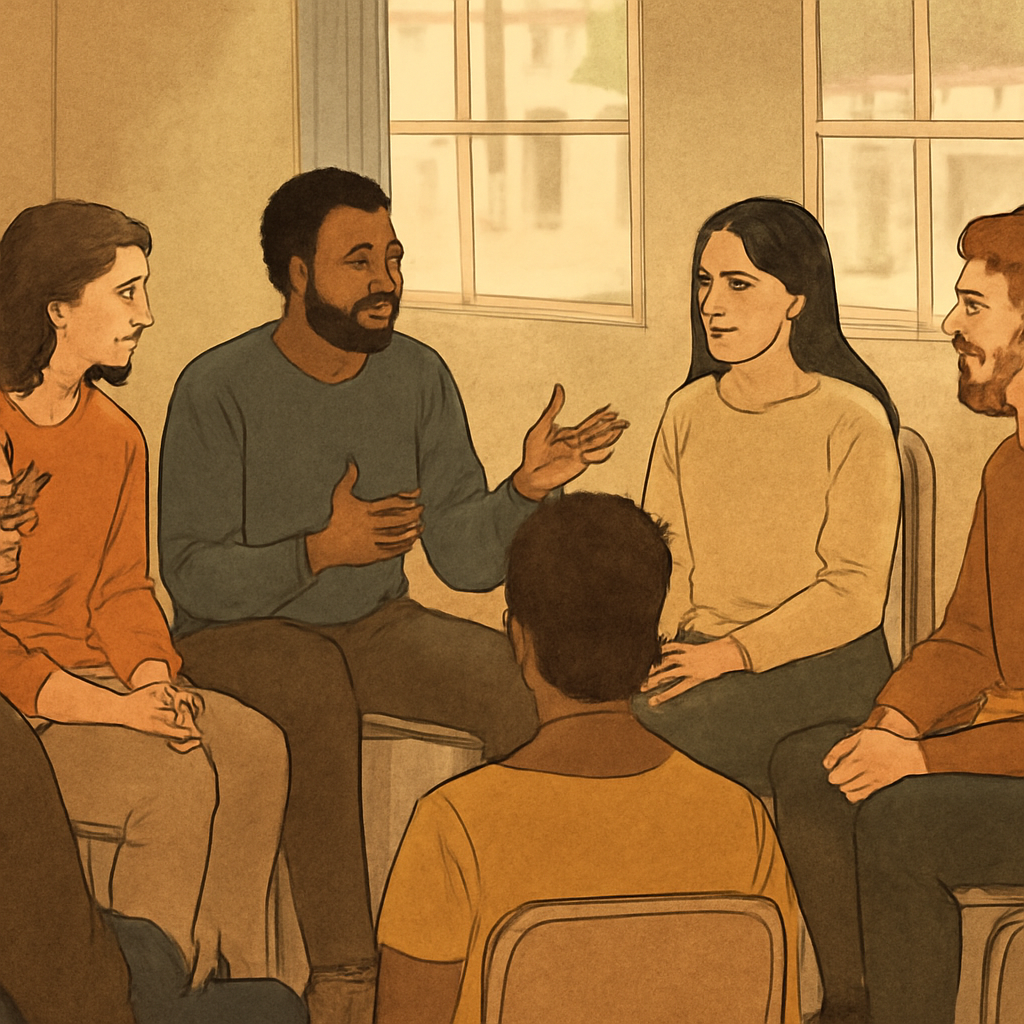
Questions That Actually Open a Room Up
The biggest mistake hosts make is starting with a question that’s too broad. “What did you think?” invites either silence or a single confident voice that dominates the rest of the hour. Better to start small and specific, then widen out.
- Start with a feeling, not an opinion. Ask what moment stayed with people, rather than what they thought of the film as a whole.
- Name a scene, not a theme. Pointing to a specific exchange or image gives people something concrete to respond to instead of an abstract topic.
- Save the big question for last. Questions about solutions or action work best once the room has warmed up, not as an opener.
- Let silence sit for a moment. A pause of five or six seconds often produces a braver answer than jumping in to fill the gap.
Who Should Be Holding the Microphone
Not every screening needs a formal panel, but someone needs to own the role of guiding the conversation, and that person matters more than most hosts realize. It doesn’t have to be a filmmaker or an expert. Sometimes the most effective moderator is simply someone from the community who can translate the film’s themes into language the room already understands.
If you do bring in outside voices, whether that’s an advocate, a local organizer, or someone directly connected to the issue, give them room to speak personally rather than just factually. Audiences respond to candor far more than they respond to statistics. A single honest sentence from someone with lived experience will outlast any number of talking points.
Reading the Room Before You Plan the Format
A screening in a small living room calls for a different approach than one in a two-hundred-seat theater. In intimate settings, you can let the conversation move organically, almost like a dinner table discussion. In larger venues, you’ll need more structure, clearer turn-taking, and probably a plan for how to handle someone who wants to turn the discussion into a speech.
It also helps to think about what people need to walk away with. A discussion that ends on a note of helplessness, even if it’s emotionally honest, often does less good than one that ends with a next step, however small. That doesn’t mean manufacturing false hope. It means being intentional about where the conversation lands.

Closing Without Losing the Moment
One of the quieter arts of hosting a screening is knowing how to end the conversation before it runs out of energy. A discussion that goes on too long tends to dissolve into repetition, and the room’s attention drifts with it. Better to end on a strong note, even if there are still hands raised, than to let things fizzle.
Before people leave, give them something concrete, whether that’s information about getting involved, a way to stay in touch, or simply an invitation to keep talking informally over coffee or at the door. The goal isn’t to manufacture a tidy ending. It’s to make sure the conversation that started in that room has somewhere to go once everyone walks back out into their ordinary lives.
Why We Keep Coming Back to This
We didn’t make this film to be watched once and filed away. We made it because we believe the right conversation, in the right room, at the right moment, can shift something in a person that a hundred articles couldn’t. If you’re thinking about hosting a screening, don’t treat the discussion afterward as the easy part. It’s the whole point.